Why Can’t I Lose Weight After 40?
The Real Reasons Women Stay Stuck If I had a dollar for every time a woman sat across from me and said, “I’m doing everything right, but nothing is working,” I’d probably be writing this…
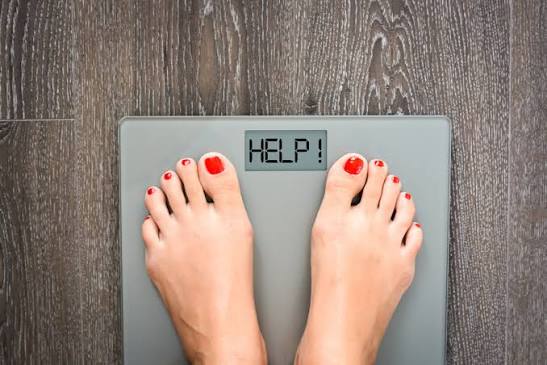
The Real Reasons Women Stay Stuck
If I had a dollar for every time a woman sat across from me and said, “I’m doing everything right, but nothing is working,” I’d probably be writing this from a beach somewhere.
She’s eating healthy. She’s walking. She’s trying to hit her protein. She’s cut carbs, counted calories, tried intermittent fasting, and bought the supplements everyone on Instagram is talking about.
Yet the scale won’t budge.
The thing is… I don’t think most women have a weight-loss problem.
I think they have an information problem.
Your body has been leaving clues long before the scale started changing. Maybe you’ve been waking at 3 a.m. Maybe you’re bloated after meals. Maybe your energy crashes every afternoon. Maybe you’re doing everything you used to do, but your body just isn’t responding the same way anymore.
Those aren’t random symptoms, they’re clues.
And when we stop chasing the symptom and start understanding the clues, everything begins to make sense.
Weight Is Information
One of the biggest mindset shifts I teach is this:
Weight is not the problem. It’s information.
Your body is constantly adapting to the environment you’re giving it. It responds to stress, nourishment, sleep, hormones, digestion and inflammation. When something is out of balance, your body adapts.
Instead of asking, ‘How do I lose weight?’ I start asking, ‘What is your body responding to?’
That’s the difference between guessing and understanding.
What I Hear Every Week
Women tell me:
• ‘I eat less than my husband.’
• ‘I don’t understand how my friend can eat whatever she wants.’
• ‘I used to lose five pounds just by cutting out bread.’
• ‘My doctor says everything is normal.’
Many of these women really are working hard.
They don’t need more discipline. They need more clarity.
Let’s Get Curious
If you were sitting in my office, I wouldn’t start by calculating calories.
I’d ask:
• How are you sleeping?
• Are you waking between 2 and 4 a.m.?
• Are your bowels regular?
• Do you feel bloated after meals?
• What’s your stress bucket look like right now?
• Are you eating enough throughout the day?
• How’s your energy?
Those questions tell me far more than the number on the scale ever will.
Your Stress Bucket Matters
I often explain it like a bucket.
Every poor night’s sleep, skipped meal, argument, deadline, inflammatory food, workout, illness and responsibility adds another cup of water.
Eventually that bucket overflows.
When it does, your body adapts.
It doesn’t do this to frustrate you.
It’s trying to protect you.
Sometimes what your body needs most isn’t another diet –> It’s recovery.
After 40, The Rules Change
One of the biggest misconceptions is that hormones suddenly make women gain weight.
Hormones don’t magically create body fat.
What changes is how your body responds to stress, sleep, inflammation and blood sugar.
The strategies that worked at 30 often stop working at 45 because your body needs different support now.
Eating Less Isn’t Always Better
This surprises many women.
They’re eating 1,100 or 1,200 calories, proud they’re ‘being good,’ while feeling exhausted by 2 p.m.
Your body needs nourishment.
Stable blood sugar, enough protein and regular meals help your body feel supported. Chronic restriction often adds more stress instead of less.
Inflammation Changes Everything
I talk about inflammation in almost every program because it’s one of the biggest missing pieces.
As estrogen declines, women lose some of the anti-inflammatory support they once had.
Inflammation doesn’t always look like pain.
Sometimes it looks like brain fog, bloating, stubborn belly fat, low energy or feeling like you’re carrying extra weight no matter what you do.
Don’t Forget Your Gut
Your digestive system doesn’t just process food.
It determines how well you absorb the nutrients that help produce energy, support hormones and build muscle.
If you’re bloated, constipated, dealing with reflux or unpredictable bowels, those are clues worth paying attention to.
Strength Over Punishment
I spent years believing more cardio was the answer.
Today I coach women differently.
I want you to become stronger.
Strength training helps support muscle, metabolism, bone health and confidence—but it also needs to be balanced with recovery.
More isn’t always better.
What I’d Do First
If you came to me tomorrow, I wouldn’t hand you a meal plan.
I’d help you understand your body.
We’d look at your symptoms, your stress, your sleep, your digestion, your nourishment and your lifestyle.
Because when we understand why your body is adapting the way it is, we can create a plan that’s actually built for you.
That’s why I believe in Test. Don’t Guess.
Frequently Asked Questions
Why can’t I lose weight after 40 even though I exercise?
Because exercise is only one piece of the puzzle. Stress, hormones, digestion, sleep and inflammation all influence how your body responds.
Is weight gain normal during perimenopause?
Many women notice changes, but that doesn’t mean you have to accept feeling unwell. Understanding what your body needs can make a significant difference.
Should I eat less to lose weight after 40?
Not necessarily. Many women are already under-fuelling their bodies. The goal is nourishment, not restriction.
Final Thoughts
I want you to leave with one message.
Your body isn’t working against you.
It’s adapting.
The symptoms you’re experiencing are clues, not character flaws.
When we stop guessing and start understanding what your body is asking for, everything changes.
That’s exactly why I created Balanced Bodies, to help women uncover the patterns behind their symptoms and finally have a plan that makes sense for their body.